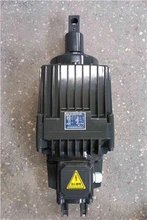
Step 1: Static Function and Basic Inspection
Before conducting a power-on test, a static inspection is essential as it provides the foundation for safety. With the brake completely de-energized, attempt to manually rotate the brake wheel or drive shaft. The brake should be engaged, and you should feel noticeable resistance or even be unable to rotate. If it rotates easily, the braking torque may be too low and needs to be readjusted. Also, inspect the brake wheel's running surface to ensure it is free of oil, moisture, or other contaminants, which can significantly reduce the coefficient of friction and lead to insufficient braking force. Also, check that all joints, springs, and the automatic retraction mechanism are functioning properly, and all locknuts are securely tightened.
Step 2: Dynamic Response and Electrical Testing
Perform a dynamic test with power applied to check for responsive and accurate brake operation. Apply power to the electric hydraulic actuator; the brake should open quickly and smoothly (release) without any sticking or hysteresis. Manually rotate the brake wheel again; it should feel easy and frictionless. Disconnect the actuator's power supply; the brake should close quickly and forcefully (engage). Observe that the brake shoes engage the brake wheel simultaneously and completely. This action should be decisive and smooth.
Step 3: Braking Performance Test (Critical Step)
This is key to verifying the brake's ability to "hold and hold." Start the drive motor and operate it at rated speed with no load. Then, disconnect the power to the brake to apply the brake. Observe whether the equipment stops smoothly within the specified time without noticeable sliding. Apply the rated load to the equipment (such as the rated weight of a crane's hoist mechanism). Lift the load a short distance off the ground, hold it in place, and then apply the brakes. After braking, the load should hover securely without any slipping. Slight slippage indicates insufficient braking torque, requiring readjustment of the main spring.
Step 4: Comprehensive Performance Monitoring
During the test and subsequent operation, pay attention to the following: Use a spot thermometer or infrared thermometer to measure the temperature of the brake wheel and brake shoe. The brake wheel surface temperature is generally required to be below 200°C. If the temperature is too high, check for issues such as incomplete brake shoe release. During the process of releasing, applying and braking the brake, listen carefully for any abnormal sounds, such as sharp friction sounds, impact sounds, etc., and observe for any abnormal vibrations.