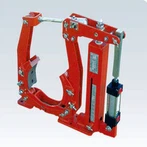
I. Check from the outside in: Basic inspection
1. Power and wiring check
Use a multimeter to measure whether the voltage at the input end of the brake is within the rated range, check if the wiring connections are secure, and there are no short circuits, open circuits, or insulation damage. Confirm that the control signal is delivered normally.
2. External mechanical inspection
Check if the brake pushrod has any obvious deformation or jamming. Observe the wear condition of the brake pads to ensure they have not reached the replacement standard. Clean the oil stains, dust, and other impurities on the surface of the brake.
II. Delve into the Core: Hydraulic Actuator Self-Inspection
1. Motor Inspection
Disconnect the power supply, manually rotate the motor to check for flexibility. Measure the resistance of the motor windings to determine if it has been burned out.
2. Hydraulic System Inspection
Check if the oil level is within the normal range. Observe for any signs of oil leakage. Attempt manual operation to feel the pressure changes.
3. Mechanical Connection Part
Check if the connection between the push rod and the brake arm is normal. Inspect whether the internal springs are ineffective or broken.
III. System Linkage Test
After completing the above checks, perform no-load and load tests:
First run without load to observe if the actuator operates smoothly, then gradually load up to the rated load to check the braking effect. Record the parameter changes for each test to facilitate analysis.
Preventive Maintenance Recommendations
Regular Maintenance Plan:
Check oil level and quality every 3 months, thoroughly clean and tighten connections every 6 months, conduct a comprehensive performance test annually. Common Fault Warning Signals: Abnormal sound of brake action, significantly prolonged braking time, excessive temperature of actuator housing. By following these three steps of troubleshooting, most problems with hydraulic brake actuators not working can be effectively resolved. Safety is no small matter, and regular maintenance is the best strategy to avoid faults. If you encounter special problems during the troubleshooting process, please feel free to contact us at any time. Our technical team will provide professional support.