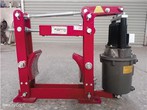
1. Wear Mechanism of Brake Discs and Friction Pads
Disc brakes achieve braking through the friction between the friction pads and the brake discs. During long-term use, both components gradually wear due to friction, high temperatures, and mechanical stress. The main forms of wear include:
Wear of friction pads: The friction material is gradually consumed, and the thickness decreases.
Wear of brake discs:Grooves, cracks, or thermal deformation may appear on the surface.
Excessive wear can lead to a decrease in braking force, an increase in braking noise, and even brake failure.
2. Wear Limit of Friction Plates
The degree of wear of friction plates is usually determined by the remaining thickness. Standards may vary slightly among different equipment, but generally follow the following principles:
New Friction Plate Thickness: Typically between 10mm and 20mm (varies by model).
Wear Limit: When the remaining thickness of the friction plate is ≤ 2mm to 3mm, it must be replaced.
Abnormal Wear: If uneven wear, burning, or flaking occurs, replacement is necessary even if the thickness is within the acceptable range.
Inspection Method:
- Use a vernier caliper to measure the thinnest part of the friction plate.
- Check for cracks, charring, or metal-to-metal contact (when the friction material is worn out, the backing plate may directly rub against the brake disc).
3. Brake Disc Wear Limits
The wear of brake discs is typically manifested as a reduction in thickness or surface damage. The wear limits mainly depend on:
Thickness Wear Limit: Manufacturers usually specify the minimum allowable thickness of the brake disc (such as a reduction of 10% to 20% from the original thickness).
Groove Depth: If the depth of surface grooves exceeds 0.5mm to 1mm, turning repair or replacement is required.
Thermal Cracks: If radial cracks (especially through cracks) appear, replacement is mandatory.
Inspection Method:
Measure the thickness of the brake disc with a micrometer (at least 8 points to ensure uniformity).
Observe for any severe scratches, deformations or cracks.
4. Key Factors Affecting Wear
Load and Usage Frequency: High loads and frequent braking can accelerate wear.
Temperature: Excessive heat can cause degradation of friction materials and deformation of brake discs.
Environment: Dusty, humid or corrosive environments may exacerbate wear.
Installation and Alignment: Brake disc wobble or incorrect seating of friction pads can lead to uneven wear.
5. Maintenance Suggestions
1. Regular Inspection: Measure the thickness of the friction pads and brake discs every 3 to 6 months.
2. Timely Replacement: Replace before reaching the wear limit to prevent damage to other components.
3. Cleaning and Lubrication: Keep the braking system clean and ensure that guide pins and sliding parts are well lubricated.
4. Avoid Overloading Brakes: Minimize sudden braking to prevent overheating.
Conclusion
The management of wear and tear on brake discs and friction pads is crucial for ensuring the safe operation of industrial equipment. Regular inspections, proper maintenance, and timely replacement can extend the lifespan of the braking system and guarantee production safety. If the braking performance of your equipment declines, it might be a good idea to first check these two key components!
Follow us to get more knowledge about industrial equipment maintenance!