


Dust intrusion into an Eot Crane Brake can lead to a range of problems, from reduced braking efficiency to premature wear and tear. As a leading Eot Crane Brake supplier, we understand the significance of keeping dust at bay to ensure the smooth and long - lasting operation of these vital components. In this blog, we will explore various strategies to prevent dust from entering an Eot Crane Brake.
Understanding the Risks of Dust in Eot Crane Brakes
Firstly, it's crucial to understand why dust is such a concern. Dust particles can act as abrasives, grinding against the brake components. Over time, this abrasion can cause the brake lining to wear out faster, reducing the braking force. Moreover, dust can accumulate in the moving parts of the brake, such as the caliper or the actuator, hindering their proper functioning. This may lead to uneven braking, increased noise during operation, and in extreme cases, even brake failure.
Enclosure Design
One of the primary ways to prevent dust from entering an Eot Crane Brake is through proper enclosure design. A well - constructed enclosure can act as a physical barrier, blocking dust from reaching the brake components.
- Sealed Enclosures: Using fully sealed enclosures is highly effective. These enclosures are designed with gaskets and seals that prevent dust from seeping in. When choosing a sealed enclosure, it's important to ensure that the materials used are durable and can withstand the harsh industrial environment. For example, rubber gaskets should have good resistance to temperature fluctuations and chemical exposure.
- Custom - Built Enclosures: Depending on the specific application and the environment where the Eot Crane is operating, custom - built enclosures can be designed. These enclosures can be tailored to fit the exact dimensions of the brake and can be made from materials such as stainless steel or thick - gauge plastic. Custom enclosures also allow for the integration of features like air vents with filters, which we will discuss in more detail later.
Filtration Systems
Integrating filtration systems is another essential strategy to prevent dust from entering the Eot Crane Brake.
- Air Filters: For brakes that rely on pneumatic or hydraulic systems, air filters can be installed in the intake lines. These filters trap dust particles, preventing them from entering the brake's internal components. High - efficiency particulate air (HEPA) filters are especially effective as they can capture even the smallest dust particles. Regular maintenance of these filters is crucial, including cleaning or replacement at the recommended intervals.
- In - Enclosure Filters: If the brake is housed in an enclosure, in - enclosure filters can be used to further improve the air quality inside. These filters work by continuously circulating the air within the enclosure, removing any dust that may have managed to enter. For example, a fan - powered filter system can be installed to ensure a constant flow of clean air around the brake.
Regular Cleaning and Maintenance
Regular cleaning and maintenance are key to preventing dust accumulation in Eot Crane Brakes.
- External Cleaning: The exterior of the brake and its enclosure should be cleaned regularly to remove any dust that has settled on the surface. This can be done using a soft brush or compressed air. When using compressed air, care should be taken to ensure that the pressure is not too high, as it could force dust into the brake components.
- Internal Inspection: Periodic internal inspections are necessary to check for any dust accumulation inside the brake. During these inspections, the brake can be disassembled (if possible) and the components thoroughly cleaned. This also provides an opportunity to check for any signs of wear or damage caused by dust.
Lubrication Management
Proper lubrication is important not only for the smooth operation of the brake but also for preventing dust from adhering to the components.
- Selecting the Right Lubricant: The lubricant used in the brake should have good anti - dust properties. Some lubricants are specifically formulated to repel dust and prevent it from sticking to the surfaces. For example, silicone - based lubricants can form a thin, protective layer that makes it difficult for dust to adhere.
- Lubrication Frequency: Establishing a proper lubrication schedule is crucial. Over - lubrication can attract dust, while under - lubrication can lead to increased wear. The lubrication frequency should be based on the manufacturer's recommendations and the operating conditions of the crane.
Installation Location
The location where the Eot Crane Brake is installed can significantly impact the amount of dust it is exposed to.
- Avoiding High - Dust Areas: Whenever possible, the brake should be installed in an area with low dust levels. This could mean installing it away from processes that generate a large amount of dust, such as grinding or sandblasting operations.
- Elevated Installation: Installing the brake at an elevated position can also help. Dust tends to settle closer to the ground, so by mounting the brake higher up, the risk of dust intrusion can be reduced. However, care should be taken to ensure that the elevated position does not pose any safety or maintenance challenges.
Protective Coatings
Applying protective coatings to the brake components can provide an additional layer of defense against dust.
- Powder Coating: Powder coating is a popular choice as it provides a durable and smooth finish. The coating can act as a barrier, preventing dust from sticking to the surface of the components. It also offers corrosion resistance, which is beneficial in industrial environments.
- Ceramic Coatings: Ceramic coatings can also be used, especially in high - temperature applications. These coatings not only protect against dust but also offer excellent heat resistance, which can enhance the overall performance of the brake.
Training and Awareness
Finally, training the operators and maintenance staff is crucial for effective dust prevention.

- Operator Training: Operators should be educated about the importance of dust prevention and the potential risks associated with dust intrusion into the brake. They should be trained to follow proper operating procedures, such as keeping the work area clean and reporting any signs of abnormal brake performance immediately.
- Maintenance Staff Training: Maintenance staff should be well - versed in the maintenance procedures for the Eot Crane Brake, including dust prevention techniques. They should be trained to perform regular inspections, cleaning, and filtration system maintenance.
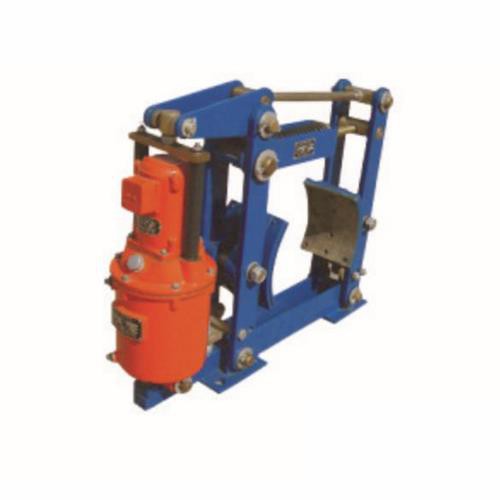
At our company, we are committed to providing high - quality Eot Crane Brakes. We offer a wide range of products, including the Drum Brake With YT1 Electro Hydraulic Thruster and QWZ5 PNEUMATICD DRUM BRAKES. Our Eot Crane Brake products are designed with dust prevention in mind, incorporating the latest technologies and best practices.
If you are in the market for Eot Crane Brakes or need more information on dust prevention strategies, please do not hesitate to contact us. We are ready to assist you in finding the best solutions for your specific needs and ensuring the reliable and efficient operation of your cranes.
References
- Crane Safety Handbook, Industrial Safety Press.
- Handbook of Brake Design and Technology, Society of Automotive Engineers.
- Maintenance Best Practices for Industrial Cranes, American Society of Mechanical Engineers.