



Hey there! As a supplier of Magnetic Drum Brakes, I've seen firsthand how important it is to install these brakes correctly. A proper installation not only ensures the safety of your equipment but also enhances its overall performance. So, let's dive into the steps of how to install magnetic drum brakes correctly.
Pre-Installation Checks
Before you start the installation process, it's critical to do a few checks. First, make sure you've got the right type of magnetic drum brake for your application. We offer a wide range of brakes, like the ELECTROMAGNETIC DRUM BRAKES 8, suitable for various industrial needs.
Inspect the brake components thoroughly. Look for any signs of damage, such as cracks, dents, or missing parts. Check the drum for smoothness and proper dimensions. The brake shoes should be in good condition, without excessive wear. If you notice any issues, don't use the brake; contact us for a replacement.
Also, gather all the tools you'll need for the installation. This typically includes wrenches, sockets, a torque wrench, and a feeler gauge. Having everything ready will make the process go much smoother.
Mounting the Brake Drum
The first step in the actual installation is mounting the brake drum. Start by cleaning the mounting surface on the equipment. Any dirt or debris can affect the proper seating of the drum and lead to uneven braking.
Carefully place the brake drum on the hub. Ensure that it fits snugly and is centered correctly. Use the appropriate bolts or fasteners to secure the drum. Tighten them evenly, following the manufacturer's torque specifications. This is where your torque wrench comes in handy; over - tightening or under - tightening can cause problems later.
Installing the Brake Shoes
Next up is installing the brake shoes. The brake shoes are the key components that press against the drum to create friction and stop the movement. First, position the brake shoes inside the drum. Make sure they are aligned properly; the lining should face the drum surface.
Attach the return springs to the brake shoes. These springs are responsible for pulling the shoes back when the brake is released. Connect the springs securely, ensuring they are in the correct position. You may need to use a pair of pliers to stretch the springs into place.
Adjusting the Brake Shoes
Once the brake shoes are installed, you need to adjust them. This is a crucial step as the right adjustment ensures optimal braking performance. Use a feeler gauge to measure the clearance between the brake shoe lining and the drum. The recommended clearance can vary depending on the type of brake, so refer to the product manual.

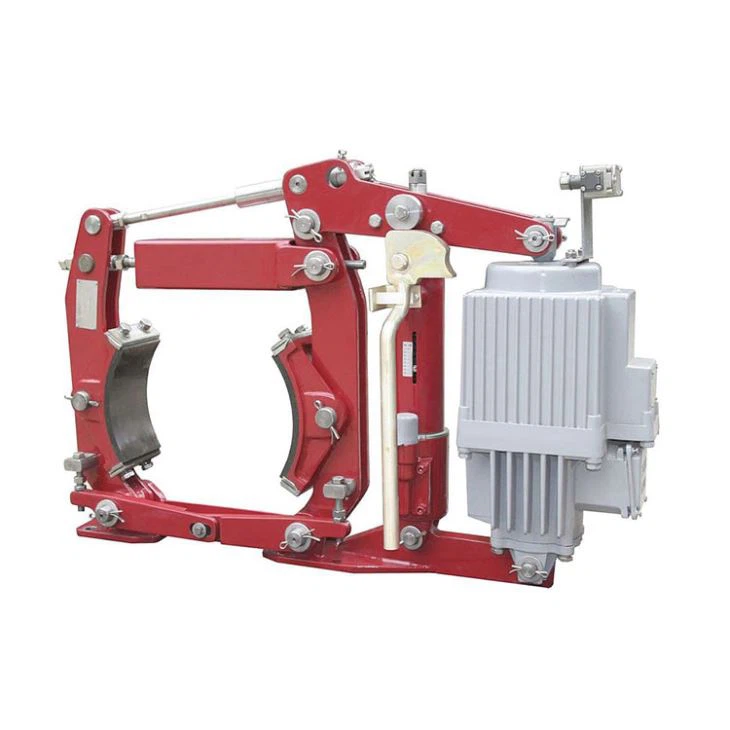
If the clearance is too large, adjust the adjuster screw on the brake shoe assembly. Turn the screw clockwise to decrease the clearance. Keep checking the clearance with the feeler gauge until it reaches the specified value. Make sure the adjustment is the same on both sides of the brake to ensure even braking.
Connecting the Electromagnetic Coil
Most magnetic drum brakes use an electromagnetic coil to engage and disengage the brake. Carefully connect the coil to the power supply. Make sure the wiring is correct and that the connections are secure. Loose connections can cause electrical problems and affect the brake's functionality.
Before powering up the system, double - check the polarity of the connections. Incorrect polarity can prevent the brake from working properly or even damage the coil.
Testing the Brake
After the installation is complete, it's time to test the brake. First, give the system a visual inspection to make sure everything is in place and there are no loose parts. Then, power on the equipment and engage the brake.
Check for smooth operation. The brake should engage and disengage quickly and without any excessive noise or vibration. If you notice any abnormal behavior, such as a dragging brake or a weak braking force, stop the equipment immediately and re - check the installation.
Maintenance Tips
Proper maintenance is essential for the long - term performance of your magnetic drum brakes. Regularly inspect the brake components for wear and tear. Replace the brake shoe linings when they reach the minimum thickness recommended by the manufacturer.
Keep the brake drum clean and free from oil, grease, or other contaminants. These substances can reduce the friction between the brake shoes and the drum, leading to poor braking performance.
Also, check the electrical connections periodically to ensure they are still secure. Any loose or corroded connections should be tightened or replaced.
Why Choose Our Magnetic Drum Brakes?
We're not just any supplier of magnetic drum brakes. Our products are designed with the latest technology to provide reliable and efficient braking solutions. We offer a variety of brakes, including Energy - saving Electromagnetic Brakes that help you reduce energy consumption and Magnetic Drum Brake System For Crane specifically tailored for crane applications.
Our team of experts is always ready to assist you with any questions you may have regarding installation, maintenance, or product selection. We understand that every application is unique, and we're committed to providing you with the best - fitting brake solution.
Contact Us for Purchase and Consultation
If you're in the market for high - quality magnetic drum brakes or need further advice on installation, don't hesitate to reach out. We're here to help you find the perfect brake for your needs and ensure a smooth installation process. Whether you're a small business or a large industrial operation, we've got the right product for you.
References
- Manufacturer's installation manuals for magnetic drum brakes.
- Industry best practices for brake installation and maintenance.